
How Fast Should You Retrieve a Crankbait for Bass?
Quick Summary
Crankbait retrieve speed should match the bass species, water temperature, and fish activity, not a single fixed pace. For largemouth, a steady medium retrieve of two to two-and-a-half handle turns per second is a good starting point to adjust from.
- Start largemouth at roughly two to two-and-a-half handle turns per second on a 6.2:1 or 7.1:1 reel.
- Speed up to three or more turns per second when water is above roughly 65°F and fish are active.
- Slow down with pauses when water is below 55°F or fish follow without committing.
- Slow deliberate retrieves work best for smallmouth near rock and current.
- Deep-diving large-bill crankbaits roll or blow out when retrieved too fast.
Table of Contents
- Why Crankbait Retrieve Speed Changes Bite Results
- Largemouth Crankbait Retrieve Speed: Starting Points and Adjustments
- Smallmouth Bass Crankbait Retrieve: Slowing Down Around Rock and Current
- Spotted Bass Crankbait Retrieve: Matching Cadence to Their Behavior
- Crankbait Fishing in Cold Water: Slowing the Retrieve Without Losing Contact
- Using Pauses, Speed Changes and Depth Control on the Retrieve
- Troubleshooting: Fish Follow but Don't Strike, or Your Lure Rolls
- Pick Your Crankbait for the Speed You Plan to Fish
- Frequently Asked Questions
Why Crankbait Retrieve Speed Changes Bite Results
Last Updated: November 12, 2026
Retrieve speed is one of the first things to adjust when a crankbait is not getting bites, and anglers often miss this detail. Crankbait retrieve speed changes how the lure moves, how deep it runs, and how bass react to it. Sources on crankbait fishing point to the same idea: retrieve speed, line diameter, and cadence are all levers you can pull while cranking.
A crankbait that runs too fast can lose its action or roll over. A lure that crawls too slowly may never trigger a strike. The right pace sits somewhere in between, and that spot changes with the fish and the water.
Here is the core idea: there is no single correct speed for every bass. Fish respond to what they see and how the bait behaves at that moment.
Why speed matters:
- It controls how often the lure's wobble and vibration reach the fish
- It sets the lure's running depth, along with line size and the bait itself
- It changes how the bait interacts with cover like wood, rock, and weeds
- It affects whether a bass has time to react and commit to the strike
Watch out: Pushing a deep-diving crankbait too fast can make it roll or blow out. Some guides warn that excessive speed can destabilize crankbaits, especially deeper-running models. When the bait stops swimming straight, bass lose interest.
Largemouth Crankbait Retrieve Speed: Starting Points and Adjustments
Largemouth bass are the most cover-oriented of the three major bass species, and their retrieve preferences reflect that. For more on where bass hold in deep water, see How To Locate Trophy Bass In Deep Water. A good default starting point for largemouth is a steady medium retrieve, roughly two to two-and-a-half handle turns per second on a reel with a 6.2:1 or 7.1:1 gear ratio. That pace keeps a squarebill or medium-diving crankbait wobbling hard without blowing out, and it gives you a clear baseline to adjust from.
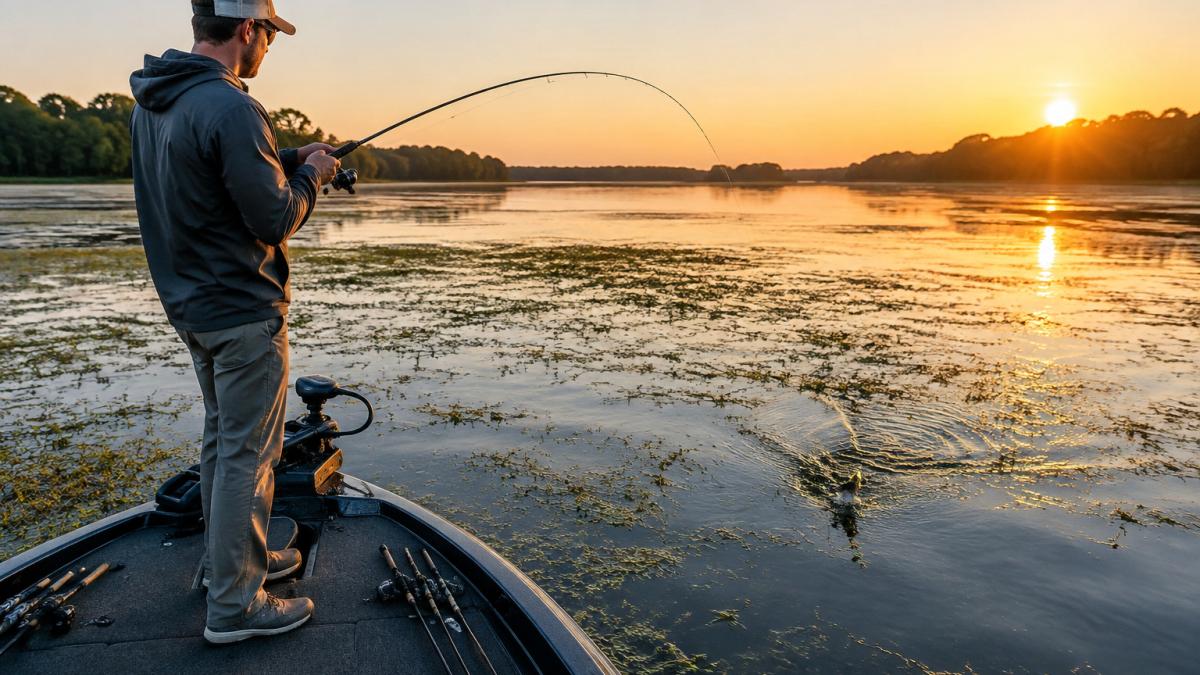
Why that baseline works: largemouth ambush from cover, so the crankbait needs to stay in the strike zone long enough for a fish to commit. Too fast and the bait zips past a fish holding tight to a laydown; too slow and the wobble weakens, especially on deeper-diving models.
From that baseline, adjust in one direction at a time:
- Speed up when fish are actively chasing baitfish, when water is above roughly 65°F, or when you are covering open flats and need to find aggressive fish. A faster retrieve, three or more turns per second, makes the bait hunt and can trigger reaction strikes.
- Slow down when you are getting follows without commits, when water is below 55°F, or when fish are pressured. A slower crawl with a pause every few turns lets the bait hang in the strike zone longer.
- Change cadence before changing speed. A steady retrieve with a one-second pause every five or six turns is often more effective than a straight slow roll, because the pause lets the bait rise slightly and gives a following fish a chance to close the distance.
Bait selection interacts with speed. Shallow-diving squarebills and flat-sided cranks handle faster retrieves well because they are designed to run true at speed. Deep-diving models with large bills generate more resistance and tend to roll or blow out when cranked fast, so they reward a slower, more deliberate pace. The Crank 8 is listed as effective down to 8 feet, and the Deep Diving 125 is rated to 20+ feet.
A note on species overlap: largemouth, smallmouth, and spotted bass often respond to the same retrieve on the same day. Treat the largemouth baseline as a starting point, not a rule, conditions and fish activity matter more than species alone.
The article's species and conditions guidance can be summarised as a quick reference for choosing a retrieve starting point.
| Condition | Retrieve adjustment | Why |
|---|---|---|
| Default starting point | Two to two-and-a-half handle turns per second | Keeps a squarebill or medium-diving crank wobbling without blowing out |
| Water above roughly 65°F, active fish | Three or more turns per second | Makes the bait hunt and can trigger reaction strikes |
| Water below 55°F or pressured fish | Slower crawl with a pause every few turns | Lets the bait hang in the strike zone longer |
| Following but no commits | Slow down and add pauses | Gives hesitant fish time to close the distance |
| Deep-diving large-bill models | Slower, deliberate pace | Faster retrieves cause rolling or blowouts |
Smallmouth Bass Crankbait Retrieve: Slowing Down Around Rock and Current
Smallmouth often hold near rock, gravel, and moving water. A slower, more deliberate retrieve tends to keep the bait in the strike zone longer, especially when the lure bumps structure.
When current pushes against your line, the bait will run shallower and faster than you expect. Let the current help you, and keep enough tension to feel the lure ticking off rocks.
Experiment with pauses when the bait touches bottom. A short stop can trigger a bite from a smallmouth that is watching the lure.
Spotted Bass Crankbait Retrieve: Matching Cadence to Their Behavior
Spotted bass sit between largemouth and smallmouth in behavior: they school like smallmouth, suspend more than largemouth, and often feed on baitfish in open water rather than tight to cover. That makes cadence, the rhythm of speed changes within a retrieve, more important than raw speed alone.
Adjust based on what you see:
- Fish following but not striking: shorten the cadence, burst every two or three turns instead of every five or six. If that fails, add a one-second pause after the burst.
- Fish striking short or swiping: slow the baseline slightly and lengthen the pause. Spotted bass that are not fully committed often take a bait that hesitates.
- Active schoolers busting bait on the surface: speed up the baseline and reduce the cadence. When spots are actively feeding, a fast, steady retrieve that keeps the bait in the school's window works better than a lot of starts and stops.
As with largemouth, treat this as a starting point. Spotted bass, smallmouth, and largemouth overlap heavily in what they will eat and how they react on a given day. The cadence framework gives you a systematic way to adjust, but the fish in front of you are the final authority.
Crankbait Fishing in Cold Water: Slowing the Retrieve Without Losing Contact
Cold water slows bass metabolism, and a slow retrieve gives them an easier target. Slow the bait down, keep it in contact with cover, and fish it longer through each spot.
The challenge is keeping the lure running true at low speed. Use a line and bait combination that keeps the crankbait working, and avoid letting slack build up.
For deep cold-water fish, a deeper-running bait can keep the lure in the zone while you crawl it.
Using Pauses, Speed Changes and Depth Control on the Retrieve
Pauses, speed changes, and depth control work together. A pause lets the bait float up or sink, which can draw a strike. A speed change breaks the pattern. Depth control keeps the bait where fish are feeding.
Try a simple sequence: retrieve steadily, pause for a second or two, then resume at a slightly faster pace. Repeat until you find what works.
Adjust depth with your cast angle, your retrieve speed, and the bait you choose. The Mid Depth Crankbait 6 12 covers the mid-range well, and the Deep Diving 125 handles deeper water.
Troubleshooting: Fish Follow but Don't Strike, or Your Lure Rolls
If fish follow but do not strike, try slowing the retrieve, adding a pause, or changing the bait's color or action. Sometimes a small change is enough to convince a hesitant bass.
If the lure rolls or wobbles off line, you may be retrieving too fast for that bait. Slow down and check that the line tie and line size suit the model.
Watch out: Excessive speed is a common cause of rolling, and it can make a deep-diving bait lose its action entirely.
Pick Your Crankbait for the Speed You Plan to Fish
Match the bait to how you plan to retrieve it. Shallow models suit fast, active fish, while deeper models handle slower, deeper work.
Browse the Mid Depth Crankbait 6 12 for steady mid-depth retrieves. For shallow or slow work, the Crank 8 (0 - 8') gives you a bait built for that job. If you are fishing deeper water with a slow retrieve, the Deep Diving 125 (12 +) is worth a look. For cold-water slow rolls, you can also compare Lipless Cranks as an alternative.
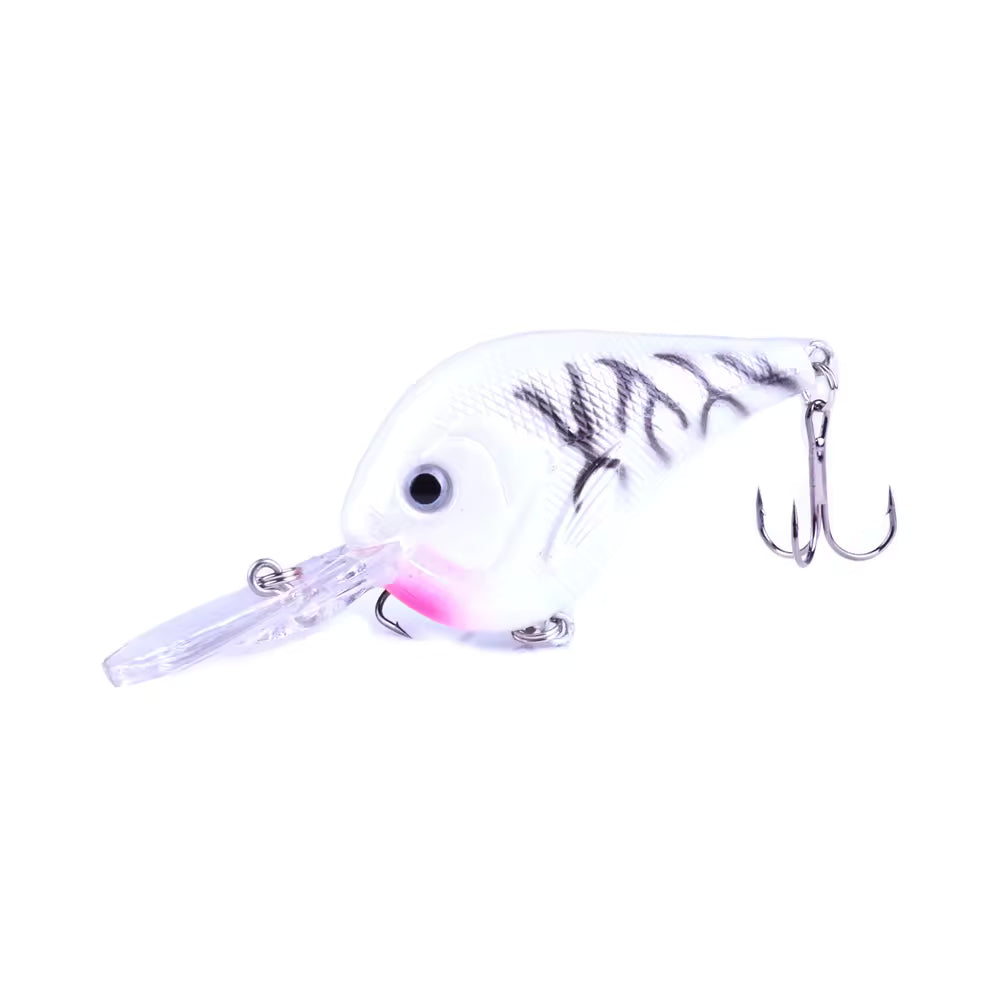
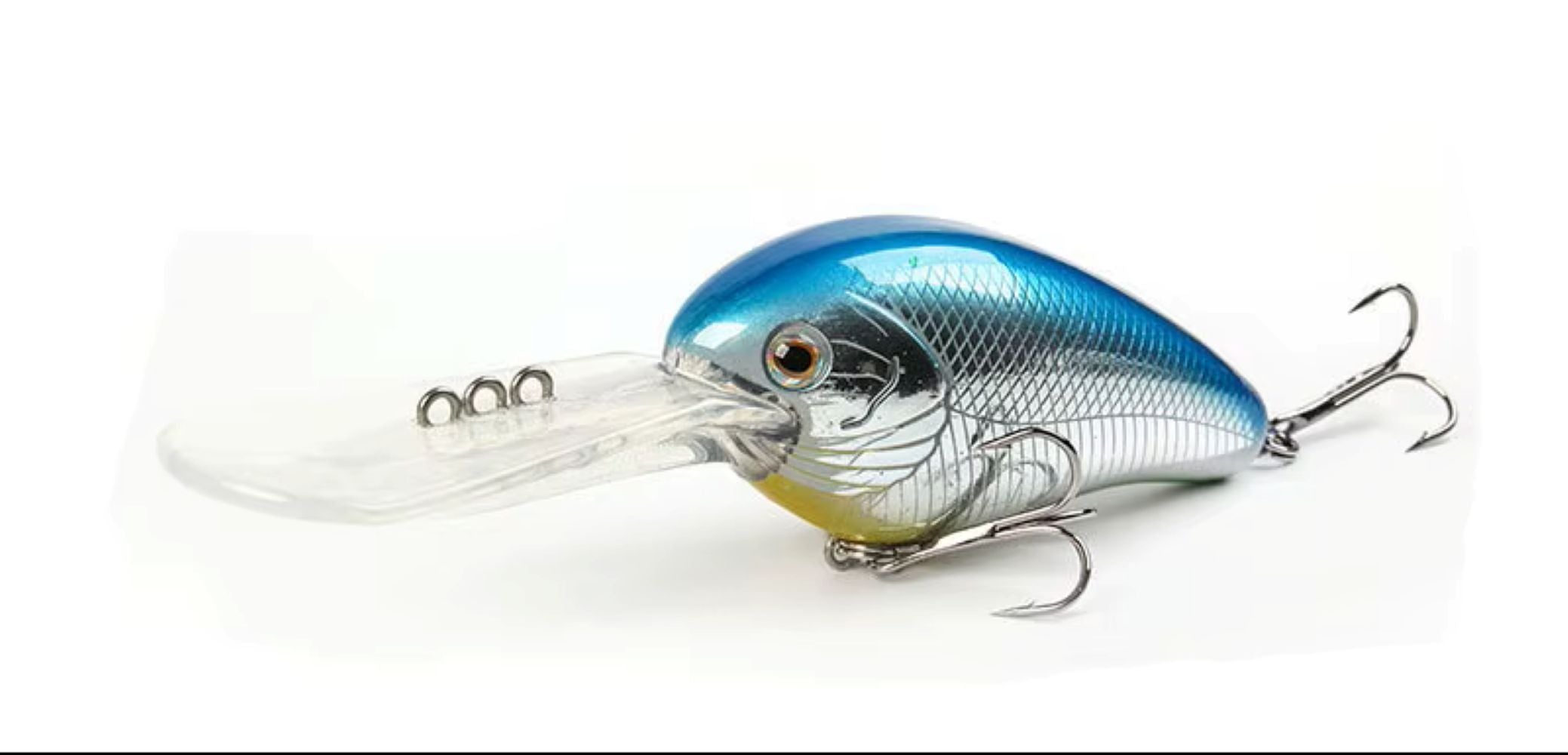
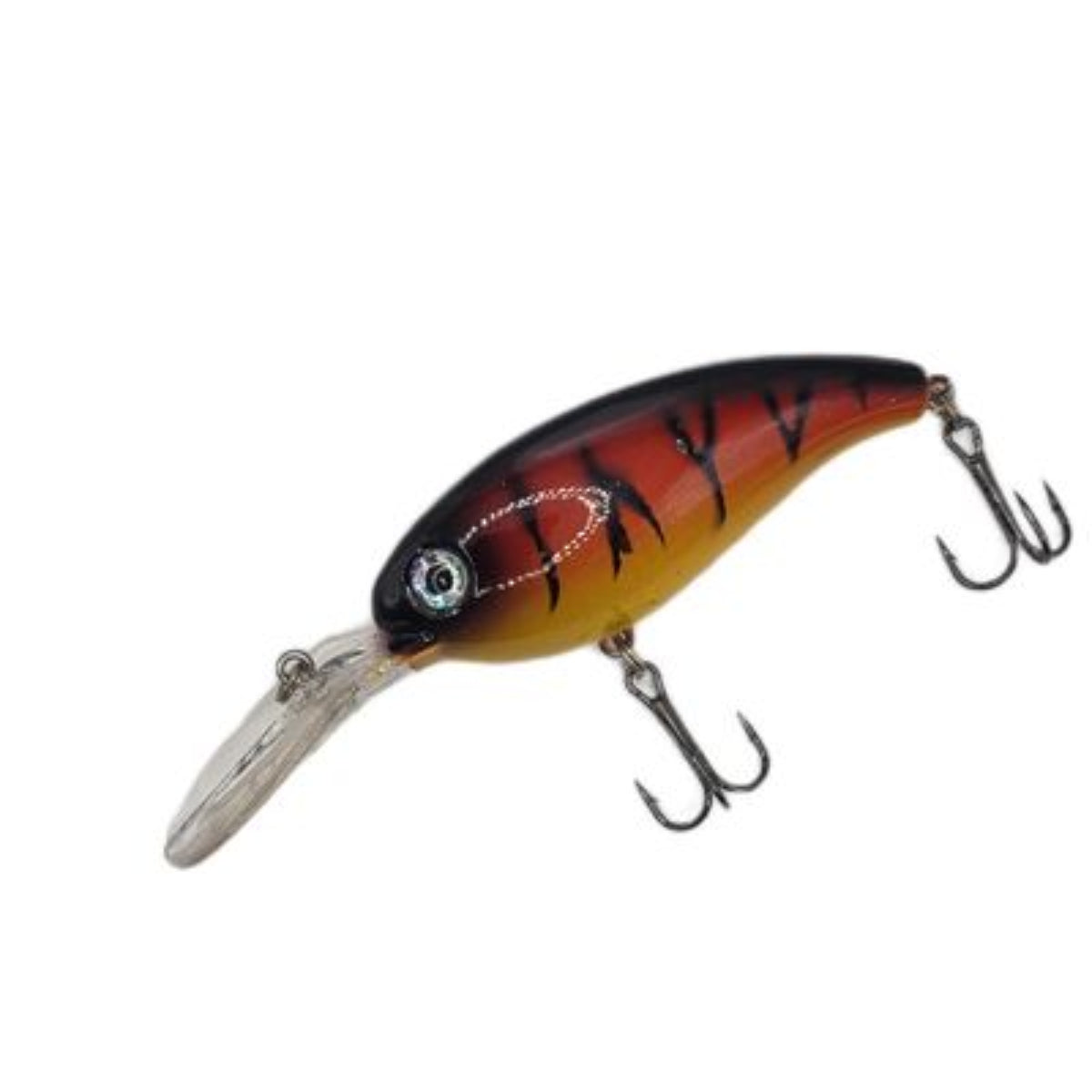
Ready to put these retrieve techniques to work? Browse our crankbait selection at Just Lures Fishing and find the right bait for the speed you plan to fish.
Frequently Asked Questions
How fast should you retrieve a crankbait for bass?
There is no single speed that works for every bass. Start with a steady, moderate retrieve that keeps the lure just ticking cover or bottom, then adjust. Sources on crankbait cadence describe changing speed and cadence with conditions and fish response rather than fixing one pace. Speed that is too high can make some crankbaits roll or lose their action, so watch the lure's wobble at the boat and back off if it destabilizes.
Does crankbait retrieve speed differ for largemouth and smallmouth bass?
The research supporting this article does not give a verified, species-specific speed for largemouth versus smallmouth bass, so treat any exact numbers with caution. Largemouth are often found around wood and grass, where a slower crawl over cover can help. Smallmouth frequently hold near rock and current, where changing cadence and speed can trigger reaction strikes. Test both a steady and a varied retrieve and let the fish's response decide which to keep.
Should you pause a crankbait during the retrieve?
Pauses are one of the adjustments anglers use to change how a crankbait triggers strikes. Use short pauses after a steady run, then resume at your normal speed. If nothing changes after several casts, try a longer pause or a different speed rather than repeating the same pattern.
How do you know if your crankbait retrieve is too fast?
Watch the lure at the boat and on the line. If it rolls, wobbles erratically, or fails to stay on its running path, the retrieve is too fast for that model, especially for deep-diving crankbaits.
