
Why Do I Struggle to Catch Bass? 7 Fixes for 2026
Table of Contents
- Why Do I Struggle to Catch Bass? Start With the Real Reasons
- How to Find Bass Patterns When the Fish Move
- Best Bass Lures for Beginners (and What to Actually Throw)
- Finesse Fishing Techniques for Pressured Bass
- Retrieval and Presentation Mistakes That Kill Your Bite
- Equipment Maintenance and Tuning You're Probably Skipping
- The Mental Side: Psychology, Luck, and Post-Catch Analysis
- Frequently Asked Questions
Last Updated: October 4, 2026
Why Do I Struggle to Catch Bass? Start With the Real Reasons
If you struggle to catch bass, the problem is usually location and timing, not your lure. According to community discussion on improving bass fishing skillsets, 95% of an angler's attention should go toward learning how to locate bass rather than obsessing over lure selection.
That single shift in focus changes everything. At Just Lures Fishing, we hear from weekend anglers every week who own 40 lures and still get skunked.
This guide covers the seven fixes that matter most in 2026. We'll show you how to find fish, when to slow down, and what to actually throw.
Here's the honest truth: bass fishing is a puzzle with moving pieces. Water temperature, pressure, and bait position all shift daily.
How to Find Bass Patterns When the Fish Move
Finding bass patterns means tracking where fish feed, rest, and travel as conditions change. Bass follow forage, and forage follows temperature and cover.
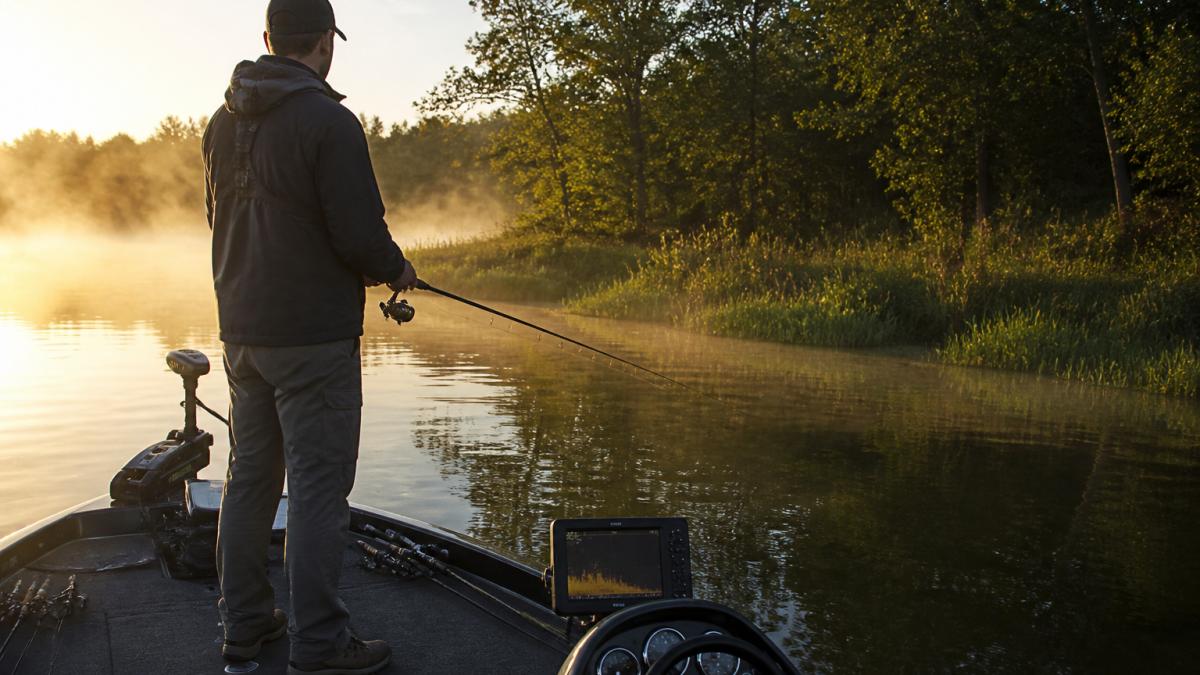
Start with depth and structure. Bass relate to points, creek channels, and weed edges. Electronics and sonar help you mark fish fast, so you're not casting blind.
Reading Water Temperature and Seasonal Shifts
Water temperature drives everything. According to Bass Fishing Seasons guide, winter is the hardest season because low water temperatures slow bass activity.
A simple seasonal map helps:
- Spring: Bass move shallow to spawn. Target 55-65°F water.
- Summer: Fish go deep or shade up under cover during midday heat.
- Fall: Bass chase baitfish into creeks and shallows again.
Track surface temps with a sonar unit. A 5-degree change can move fish a mile.
Best Bass Lures for Beginners (and What to Actually Throw)
The best bass lures for beginners are simple, versatile, and easy to work: a Texas rig, a lipless crankbait, a hollow body frog, and a soft plastic creature bait.
Start by asking three questions before you tie anything on:
- Where are the fish? Bottom, suspended, or shallow cover?
- What is the water clarity? Stained, clear, or muddy?
- How aggressive are they? Chasing, neutral, or negative?
Your answers narrow the field fast. Here is how the four core lures map to those conditions:
- Texas rig: Weedless, great around structure and brush. Best when bass are neutral to negative and holding tight to cover. Use a 3/16- to 1/2-ounce bullet weight depending on depth and wind. A slow drag with occasional hops keeps the bait in the strike zone.
- Lipless crankbait: Covers water fast, deadly in cooler water and when bass are chasing baitfish. Fish it on a steady retrieve or yo-yo it over weed edges. In stained water, choose a louder rattle and brighter color.
- Hollow body frog: Topwater over matted grass and lily pads. Best in low-light windows, early morning, evening, or under cloud cover. Walk-the-dog cadence triggers explosive strikes, but you must wait until you feel weight before setting the hook.
We built our Whack Em Lures line around this exact logic. The Brush Hawg 6" is a salty, bulky creature bait that moves water and triggers strikes on Texas or Carolina rigs.

When to Fish Soft Plastics vs Hard Baits
Soft plastics win in heavy cover and slow presentations. Hard baits win when bass are aggressive and chasing. That is the short answer, but the longer answer involves water temperature, fishing pressure, and how the fish are positioned.
Use soft plastics when:
- Fish are pressured and finicky
- You're dragging bottom contact
- You need a weedless presentation
- Water is below 50°F and bass are lethargic
Use hard baits when:
- Bass are schooling and busting bait
- You want to cover water fast
- Wind creates a chop that helps reaction strikes
- Water is 55-75°F and fish are actively feeding
The Rattler lipless crankbait shines here. Its loud internal rattle calls fish in from a distance, especially in cold, murky water.
One more trade-off: hard baits cover more water, but soft plastics catch more fish per cast in high-pressure areas.
| Lure Type | Best Conditions | Presentation | Cover |
|---|---|---|---|
| Texas rig | Pressured fish, brush | Slow drag, bottom contact | Heavy cover |
| Lipless crankbait | Cool water, wind | Steady or yo-yo retrieve | Open water, weed edges |
| Hollow body frog | Summer, matted grass | Walk-the-dog topwater | Dense vegetation |
| Creature bait | Big fish, tournaments | Flip and pitch | Wood, grass, docks |
Finesse Fishing Techniques for Pressured Bass
Finesse fishing techniques for pressured bass focus on small, subtle presentations that fool educated fish. When everyone has cast the same bank, downsizing wins.
Key finesse moves:
- Drop to lighter line and smaller baits
- Slow your retrieve to a crawl
- Use a shakey head or Ned rig for bottom contact
- Keep slack line minimal so you feel light bites
A common mistake is fishing too fast. Bass under pressure rarely chase. They inhale and spit before you feel it.
Our Lizard 5.5" works well here. Its soft body, lifelike tail action, and scent make it a strong finesse and flipping option.

Retrieval and Presentation Mistakes That Kill Your Bite
Presentation mistakes kill more bites than bad luck. Angler feedback from early 2026 shows that balancing retrieval speed against water current is a common hurdle, a "constant dance" to stay in the strike zone (bass fishing forum discussion).
Fix these fast:
- Reeling too fast: Slow down until you feel the lure working.
- Bad hook sets: Reel down, then set with firm line tension.
- Ignoring wind: Wind pushes bait and bass to the same bank.
- No bottom contact: If you can't feel the bottom, you're not fishing it.
Wind and barometric pressure matter too. A falling barometer before a front often fires bass up. A bluebird sky after a front shuts them down.
Equipment Maintenance and Tuning You're Probably Skipping
Dull hooks and dry drag washers cost you fish. Most anglers never check either. But the real problem goes deeper: your gear is a system, and one weak link, a nicked line, a sticky drag, a bent hook point, turns a solid hookup into a story about "the one that got away."
Here is the maintenance routine that separates anglers who land fish from those who just get bites.
The Hook File Is Your Best Friend
A hook that feels sharp to your thumb can still be too dull to penetrate a bass's jaw. Run a hook file over every treble and worm hook at the start of each trip. Three strokes per side, following the original angle. Our Frog comes with super-sharp double hooks for exactly this reason, built to hold fish in heavy cover.

Drag Settings: The Silent Fish Killer
A drag that is too tight snaps line on the hookset. A drag that is too loose lets a bass bury you in cover before you can turn its head. Set your drag to about one-third of your line's breaking strength. For 12-pound test, that is roughly 4 pounds of pull. Check it before the first cast by pulling line off the reel with your hand, it should come off smoothly with steady resistance, not jerk or lock up.
Line Twist and Abrasion
Line twist is the most overlooked cause of missed fish. It weakens your line, causes tangles, and kills the action of soft plastics. Fix it by:
- Re-spooling at least once a season, or more often if you fish heavily
- Using a swivel with spinning tackle when fishing lures that rotate
- Running your line through your fingers after every few casts to feel for nicks
- Cutting off and re-tying the first few feet of line after any snag or fish
Inspect line for nicks and abrasion. If you feel roughness, cut above it and re-tie. A weakened line will break on the hookset or during the fight, often right at the boat.
Reel Maintenance
A dirty reel causes inconsistent casts and poor drag performance. Once a month during the season, remove the spool and clean it with a cotton swab and a drop of reel oil. Grease the gears lightly. Do not over-oil, excess oil attracts dirt and gums up the works. Check the anti-reverse and bail springs on spinning reels; these are common failure points that cost you fish when they fail mid-fight.
The Pre-Trip Five-Minute Check
Before you leave the house, run this checklist:
- Run a hook file over every treble and worm hook
- Check your drag before the first cast
- Re-tie after every few fish or any snag
- Inspect line for nicks and abrasion
The Mental Side: Psychology, Luck, and Post-Catch Analysis
Frustration is the real enemy. Some experts argue that not catching bass often gets blamed on bad luck instead of a basic lack of skill (Randy Blaukat discussion).
The American Sportfishing Association's 2026 Special Report on Fishing found that angler dissatisfaction often traces to crowded locations and physical discomfort, not just the fish.
Build a simple post-catch routine:
- Log the depth, water temp, and lure for every fish
- Note what didn't work, not just what did
- Review your log before the next trip
Bass can learn, but they have short memories and don't retain information long (Hutdshow research). That means a spot you fished hard last week can reload fast.
Frequently Asked Questions
What is the 80/20 rule in bass fishing?
The 80/20 rule says roughly 80% of the bass live in about 20% of the water. One Reddit community discussion from 2024 put it plainly: 95% of an angler's attention should go toward learning how to locate bass rather than obsessing over lure selection. In practice, that means spending more time reading structure, cover, depth, and water temperature with your electronics, and less time swapping baits every ten casts. Find the fish first, then worry about what you tie on.
What is the hardest month to catch bass?
Winter, according to FishingBooker's 2026 bass fishing seasons guide. Low water temperatures slow bass activity dramatically, so fish feed less often and hold tighter to deep structure. That does not mean you cannot catch them. Downsize your presentation, slow your retrieve, and lean on baits with strong vibration, like a lipless crankbait with a loud rattle chamber, to trigger reaction strikes in cold, murky water.
Why am I catching no bass when the lake looks perfect?
Crowded waterways are a bigger factor than most anglers admit. The American Sportfishing Association's 2026 Special Report on Fishing found that angler dissatisfaction often ties back to crowded locations and physical discomfort rather than simply not catching fish. Meanwhile, 2024 Hutdshow research notes that increased fishing pressure has made high-volume catches much harder than they used to be. When pressure is high, finesse fishing techniques for pressured bass, like drop shots and slow-dragged soft plastics, usually outperform power fishing.
Does lure color really matter for bass fishing?
Color matters most in clear water and least in muddy water, where vibration and profile do the heavy lifting. In low-visibility conditions, a bait with a loud rattle chamber or heavy water displacement will draw strikes from farther away than a subtle color change ever will. Match your forage first (shad, bluegill, crawfish), then fine-tune color for light conditions. If you are only buying one or two colors, natural shad and green pumpkin cover most situations.
Catching bass consistently is a skill you build, not a secret lure you buy. Just Lures Fishing carries the exclusive Whack Em Lures line, including versatile swimbaits and creature baits made to trigger big fish. We source only lures we trust and use ourselves. Shop our swimbaits and give yourself the best chance of success on every cast.