
What Attracts Bass Fish the Most: A 2026 Angler's Guide
Table of Contents
- What Attracts Bass Fish the Most: The Short Answer
- The Sensory Biology of Bass: Lateral Line, Vibration, and Water Clarity
- Best Bass Lures for Beginners: Match the Hatch Without Overthinking It
- Bass Fishing Scent Attractants: Do They Actually Trigger Strikes?
- Seasonal Bass Fishing Strategies: What Bass Want in Spring, Summer, Fall, and Winter
- Reading Cover, Structure, and Depth Changes to Find Feeding Bass
- Pressure-Sensitive Fishing: Why Heavily Fished Bass Ignore the Same Lures
- Conclusion: Pick Lures That Speak to a Bass's Senses
- Frequently Asked Questions
Last Updated: September 24, 2026
What Attracts Bass Fish the Most: The Short Answer
What attracts bass fish the most is vibration, not color. Bass are ambush predators that hunt primarily through their lateral line, a sensory organ running along each flank that detects pressure waves and movement in the water. This guide from Just Lures Fishing breaks down how sight, sound, and smell work together, and which lures trigger the strongest feeding response.
U.S. Geological Survey fish biology resources
The Sensory Biology of Bass: Lateral Line, Vibration, and Water Clarity
The lateral line is a row of fluid-filled pores along a bass's side that detects vibration, pressure changes, and prey movement. It is the bass's dominant hunting sense in low visibility.
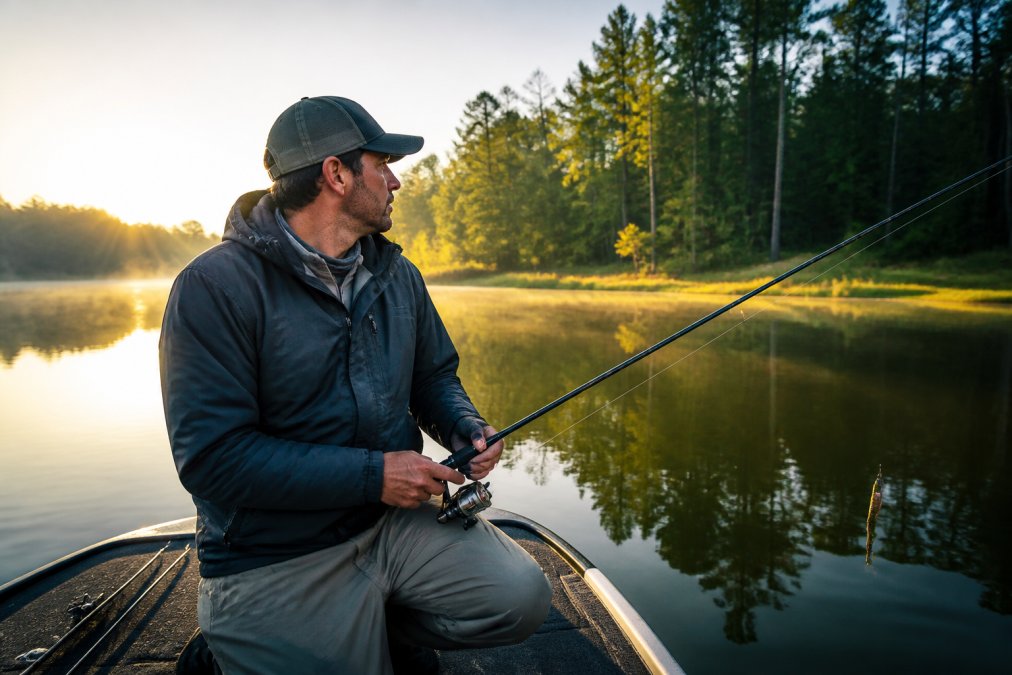
Why Vibration Beats Color in Murky Water
Vibration outperforms color whenever visibility drops. A bait that displaces water, a spinnerbait with a large Colorado blade, a swimbait with a wide tail kick, sends a pressure wave a bass can track from several feet away. Color still matters in clear water and bright light, where bass confirm targets by sight. In muddy or tannic water, reach for vibration first and treat color as a distant second.
Best Bass Lures for Beginners: Match the Hatch Without Overthinking It
The best bass lures for beginners are soft plastics, spinnerbaits, and crankbaits, because each covers a distinct depth and speed range with a simple, repeatable retrieve. Match the hatch means imitating the forage bass already eat: baitfish, crawfish, or insects.
| Lure Type | Best For | Why It Works |
|---|---|---|
| Soft plastics | Versatility, pressured fish | Natural profile, slow fall, subtle vibration |
| Spinnerbaits | Murky water, cover | Thumping blade, snag-resistant |
| Crankbaits | Covering water fast | Deflection off structure, hard vibration |
| Swimbaits | Big bass, open water | Baitfish profile, steady tail kick |
| Topwater | Low light, active feeding | Surface commotion, reaction strike |
Bass Fishing Scent Attractants: Do They Actually Trigger Strikes?
Bass fishing scent attractants hold a bass on a lure slightly longer, but they rarely create a strike on their own. Bass rely on sight and the lateral line far more than smell when feeding, so scent is a secondary tool. The useful part is understanding why, and when scent earns its place in your box.
How Bass Smell Works (and Why It's Not Their Primary Sense)
Bass have olfactory pits, paired nasal cavities lined with receptor cells, that detect dissolved amino acids in water. A bass can smell a crawfish or baitfish plume from a distance, but the sense is slow next to the lateral line. Vibration travels at roughly the speed of sound in water (about 1,500 meters per second), while scent molecules diffuse and drift with current.
What Scent Actually Does for You
Scent does three concrete things on the water:
- Masks human odor. Sunscreen, gasoline, nicotine, and bug spray transfer to soft plastics. A bass that smells a human on a bait often drops it faster.
- Extends hold time. A bass that mouths a scented bait holds it a fraction longer, giving you a cleaner hook set, especially on Texas-rigged creature baits and jigs where the hook point is buried.
- Adds a taste trigger. Garlic, anise, and crawfish-based formulas are the three most common attractant categories. Crawfish scent tends to work best on jigs and creature baits fished around rock; garlic and anise are general-purpose.
When Scent Is Worth Applying (and When It Isn't)
| Situation | Use Scent? | Why |
|---|---|---|
| Pressured public lake, soft plastics | Yes | Fish have seen the bait; scent adds a differentiator |
| Cold water, slow bite | Yes | Longer inspection time means more chances to trigger a hold |
| Clear water, reaction bite | Optional | Fish commit on sight and vibration; scent rarely changes the outcome |
| Topwater | No | Scent sinks and kills the surface action |
| Spinnerbaits, crankbaits | No | Hard baits don't absorb scent; it washes off in minutes |
The Trade-Off Nobody Mentions
Scent is not free. Oil-based attractants can stiffen a soft plastic, dull a swimbait's tail kick, and attract dirt that changes the bait's color over a long day. Dyed formulas can stain light-colored plastics. The fix: apply a small amount to the body, not the tail, and reapply sparingly every 20-30 casts rather than soaking the plastic.
The Unique Angle: Scent as a Pressure Tool
Most guides treat scent as a confidence bait. The better framing is that scent is a pressure-management tool. On heavily fished water, bass learn to associate certain vibrations and profiles with hooks. A subtle scent change doesn't alter the bait's vibration signature, but it does alter the close-range cue, one of the few variables you can change without sacrificing the vibration profile that got the fish's attention.
Seasonal Bass Fishing Strategies: What Bass Want in Spring, Summer, Fall, and Winter
Seasonal bass fishing strategies follow water temperature and where baitfish move. Bass shift from shallow spawning flats to deep summer structure, then feed heavily again in fall before going dormant in winter. The throughline is temperature, but the actionable version requires numbers, depths, and a lure plan for each phase.
The Temperature Thresholds That Drive Everything
Bass behavior changes at specific water temperatures. These are the ranges most anglers and fisheries biologists reference:
- Below 50°F: Metabolism is slow. Bass feed infrequently and prefer deep, stable water.
- 50-60°F: Pre-spawn. Bass move shallow and feed heavily to prepare for spawning.
- 60-70°F: Spawn. Bass are on beds in shallow flats; feeding is territorial rather than hunger-driven.
- 70-80°F: Post-spawn and early summer. Bass feed aggressively, then slide to deeper structure as the water warms.
- Above 80°F: Summer stress. Bass hold on deep structure, shade, and current seams; feeding windows shrink to low-light hours.
- 60-70°F (fall): Fall feed. Bass move shallow again to chase baitfish before winter.
Spring: Shallow, Slow, and Soft
As water climbs through the 50s, bass move from wintering holes to flats, points, and warm pockets, especially the north end where the sun hits first. Target 2-8 feet with soft plastics, jigs, and slow-moving baits. A Texas-rigged creature bait or weightless stickbait worked slowly along a spawning flat is the classic spring presentation.
Summer: Deep Structure and Low-Light Windows
Once water passes 80°F, bass split into two groups: shallow fish that feed at dawn and dusk, and deep fish that hold on humps, drop-offs, and shade lines during the day. A thermocline, where warm and cool water meet, often stacks baitfish and bass at a specific depth, usually 12-25 feet in most reservoirs. Find it on your electronics and fish just above it.
Fall: The Aggressive Feed
As water cools back through the 60s, bass follow baitfish into creeks, weed lines, and shallow points. This is the season for fast-moving baits: spinnerbaits, crankbaits, and swimbaits. Bass feed to bulk up for winter, and reaction strikes are common. Fish the same shallow cover as spring, but faster.
Winter: Deep, Slow, and Small
Below 50°F, bass group tightly on deep structure, channel bends, main-lake points, and the deepest cover available. Metabolism slows, so a bass may eat only once every few days. Downsize your bait, slow your retrieve to a crawl, and fish vertically with a jig or suspending jerkbait. Expect subtle takes; a cold-water bass often just inhales and sits.
Seasonal Lure Mapping
| Season | Water Temp | Depth | Primary Lures | Retrieve |
|---|---|---|---|---|
| Spring | 50-65°F | 2-8 ft | Soft plastics, jigs, stickbaits | Slow |
| Summer | 70-85°F | 12-25 ft (or shallow at dawn/dusk) | Crankbaits, swimbaits, topwater | Fast early/late, slow midday |
| Fall | 55-70°F | 3-12 ft | Spinnerbaits, crankbaits, swimbaits | Fast |
| Winter | Below 50°F | 20+ ft | Jigs, suspending jerkbaits | Very slow |
The Unique Angle: Seasonal Vibration Profiles
Most seasonal guides stop at 'fish deep in summer, shallow in spring.' The deeper pattern is that bass sensory preference shifts with the season too. In cold water, the lateral line is tuned to low-frequency, slow pulses, which is why a jig with a subtle crawfish rattle outperforms a loud spinnerbait in winter. In warm water, high-frequency vibration from a fast crankbait or bladed bait triggers reaction strikes.
Reading Cover, Structure, and Depth Changes to Find Feeding Bass
Cover and structure are not the same thing, and knowing the difference finds more fish. Structure is a permanent feature of the lake bottom: points, humps, channels, drop-offs. Cover is what sits on or near it: weed lines, brush, docks, rock.
Pressure-Sensitive Fishing: Why Heavily Fished Bass Ignore the Same Lures
Pressure-sensitive fishing means changing your presentation when bass have seen the same baits all weekend. On heavily fished water, bass learn to ignore common presentations and respond only to something different.
Conclusion: Pick Lures That Speak to a Bass's Senses
The hardest part of bass fishing is resisting the urge to buy what looks good to you instead of what a bass can sense. Vibration, profile, and depth beat color almost every time, and pressure changes the rules on hard-fished water.
Frequently Asked Questions
What is the #1 best bait for bass?
There is no single best bait, but soft plastics rigged on jigs or weighted hooks catch bass in more conditions than anything else. A creature bait or swimbait that mimics crawfish or baitfish triggers strikes through profile, vibration, and scent. Match the forage in your water: crawfish imitations around rock, baitfish profiles near weed lines. Just Lures Fishing carries Whack Em Lures swimbaits and creature baits designed for exactly this.
Do bass prefer movement or scent when hunting?
Movement usually wins first. A bass's lateral line detects vibration from a fleeing baitfish or crawling crawfish before its nose ever picks up scent. Scent becomes the deciding factor when a bass follows a lure but hesitates, or when water is cold and metabolism is slow. Combining both, a moving lure with a scent trail, gives you the best odds of converting a follow into a hook set.
How does water clarity affect what attracts bass?
In clear water, bass rely heavily on sight, so natural colors, realistic baitfish profiles, and UV sheen matter. In stained or murky water, vibration and scent take over. Use lures with rattles, wide-wobbling crankbaits, or spinnerbaits that push water, and add a scent attractant. The dirtier the water, the more you should lean on vibration and scent trail rather than color detail.
What is the secret to catching bass in heavily pressured water?
Downsize and slow down. Bass that see the same spinnerbaits and crankbaits every weekend learn to avoid them. Try a smaller soft plastic, a subtle suspending jerkbait, or a finesse presentation with a slow retrieve. Fish deeper cover, early or late in the day, and vary your retrieve speed until you find what triggers a reaction strike. Pressure-sensitive bass still eat, they just need a different look.