
Best Fishing Lures for Trophy Bass in 2026
Table of Contents
- What Makes a Lure Effective for Trophy Bass
- Top Lure Types That Catch Trophy Bass
- Best Swimbait for Big Bass and Seasonal Selection
- How to Rig Creature Baits for Trophy Bass
- Trophy Bass Fishing Techniques and Tackle Setup
- Water Clarity and Color Selection
- Old-School Lures That Still Deliver
- Frequently Asked Questions
Last Updated: September 25, 2026
What Makes a Lure Effective for Trophy Bass
A best fishing lures for trophy bass needs to trigger aggressive strikes from fish weighing 10 pounds or more. The difference comes down to three core factors: profile, vibration, and the ability to generate confidence in a trophy-sized fish.
Trophy bass are selective. They've survived years of angling pressure, which means they ignore subtlety. Your lure needs to project power and presence. According to Kraken Bass analysis of lure effectiveness, soft-plastic worms remain among the most effective options because they deliver natural movement combined with the right profile. But profile alone isn't enough.
Vibration matters intensely for trophy bass. A lure that pulses, wobbles, or displaces water gets noticed by fish holding in deep structure. The vibration travels through water and reaches fish that can't see your lure. This is why spinnerbaits and swimbaits have made a comeback in 2026. The tandem spinnerbait resurgence, in particular, shows that anglers targeting trophy bass are returning to proven vibration patterns after years of chasing newer designs.
Finally, depth control separates casual fishing from trophy hunting. Your lure must reach where the biggest fish hold. This means understanding structure fishing, knowing how to work bottom contact, and adjusting retrieve speed based on water temperature and season.
Top Lure Types That Catch Trophy Bass
Swimbaits and Glide Baits
Swimbaits deliver the profile that trophy bass cannot ignore. A big swimbait mimics the natural prey that large bass hunt: shad, herring, and other substantial baitfish. The size alone commands attention from trophy-class fish. Whiskey Riff's May 2026 lure recommendations identified big swimbaits and glide baits as top-tier choices, noting their effectiveness across seasonal patterns.
Glide baits add a different dimension. Instead of a steady swimming motion, they dart side-to-side during the retrieve. This erratic movement triggers reactionary strikes from aggressive trophy bass. The action mimics an injured baitfish, which is exactly what a 10-pound bass wants to eat.
Just Lures Fishing carries swimbaits like the Ripple Shad and Swim Minnow specifically designed for this application. These lures work best when you focus on structure fishing: drop-offs, rocky points, and submerged timber where trophy bass position themselves. Cast parallel to structure and maintain a steady retrieve that keeps the lure in the strike zone.
Spinnerbaits and Buzzbaits
The spinnerbait is making a genuine comeback in 2026. Tandem spinnerbaits, which feature two spinning blades instead of one, have regained popularity among serious trophy anglers. The dual blades create more vibration and a larger profile than traditional single-blade designs, which matters when you're targeting lunkers.
The Booyah Blade double willow spinner bait exemplifies this trend. Kayak Angler Magazine's 2026 gear guide rated it as a top-performing option with an MSRP of $7.99, making it accessible while delivering proven results. The double willow blade configuration creates a distinctive pulsing action that trophy bass respond to in murky water and low-light conditions.
Buzzbaits work differently. They create surface disturbance and noise, which attracts aggressive trophy bass in shallow structure. Use buzzbaits in early morning, late evening, or overcast conditions when trophy bass move shallow to feed.
Soft Plastics and Worms
Soft plastics remain foundational for trophy bass fishing.
Creature baits represent a specialized category within soft plastics. These exaggerated profiles with multiple appendages displace water and create vibration. Rig them on heavy jigs to maintain bottom contact and work them with a shaking motion. The erratic movement triggers strikes from trophy bass holding in deep structure.
Crankbaits and Jerkbaits
Crankbaits excel at covering water and reaching specific depth zones. A deep-diving crankbait can reach 15-25 feet, which is critical for trophy bass holding in summer heat. The hard body construction and consistent wobble create vibration that travels through water effectively.
Jerkbaits work best as a reaction lure. Cast near structure and execute sharp, aggressive jerks followed by pauses. Trophy bass strike during the pause or on the dart. The erratic movement mimics an injured baitfish, which triggers predatory responses in large fish.
Best Swimbait for Big Bass and Seasonal Selection
Spring and Post-Spawn Patterns
Spring is when trophy bass move shallow to spawn, making them accessible to anglers. Post-spawn patterns, which occur after bass complete spawning, represent the most explosive feeding period of the year. Trophy bass are depleted from spawning and aggressive about feeding.
Focus on shallow structure: submerged grass, laydowns, and rocky banks. Use swimbaits and soft plastics with natural hues that match local forage. The best swimbait for big bass during post-spawn is one that matches the size of natural baitfish in your water. Larger profiles trigger strikes from trophy bass recovering from spawning stress.
Jigs paired with creature baits also excel during post-spawn. Work them along structure with a shaking motion that generates vibration without requiring aggressive retrieves.
Summer and Fall Tactics
Summer pushes trophy bass deep. They retreat to main-lake structure, drop-offs, and deeper channels where water temperature stays tolerable. Your lure selection shifts toward options that reach depth and maintain bottom contact.
Deep-diving crankbaits and swimbaits work the depth zones where trophy bass hold. Adjust your retrieve speed based on water temperature. Cooler water requires slower, more deliberate presentations. Warmer water allows faster retrieves that generate more vibration.
Fall brings another feeding surge. Trophy bass move shallow again as water cools. This is prime time for spinnerbaits, swimbaits, and topwater lures. The transition from summer to fall creates feeding windows when trophy bass are aggressive and less cautious.
How to Rig Creature Baits for Trophy Bass
Creature baits require specific rigging to maximize their effectiveness. The most productive approach uses a heavy jig head paired with the creature bait. The weight maintains bottom contact while the appendages create vibration and displacement.
Select jig weight based on depth and current. In shallow structure (3-8 feet), use 1/2-ounce to 1-ounce jigs. In deeper water (15+ feet), move to 1.5 to 2-ounce heads. The goal is to maintain bottom contact without constantly snagging.
Texas rigging offers an alternative presentation. Rig the creature bait on a weighted hook with minimal weight above the bait. This allows the bait to fall naturally through the water column. Texas rigs work exceptionally well around dense structure where you need to pick your way through cover carefully.
Trophy Bass Fishing Techniques and Tackle Setup
Structure Fishing and Depth Control
Structure fishing is non-negotiable when targeting trophy bass. Every structure feature, rock piles, submerged timber, grass edges, drop-offs, represents a potential trophy bass location. Your job is to present lures that reach those zones and trigger strikes.
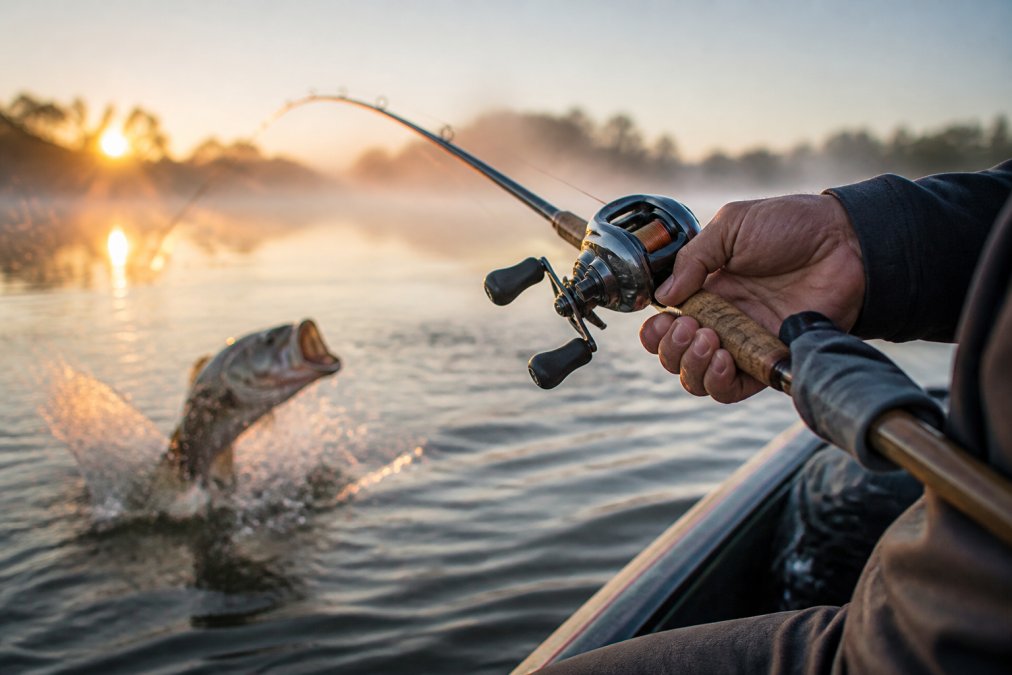
Depth control separates trophy hunters from casual anglers. Understanding how deep your lure dives, how to adjust retrieve speed to maintain depth, and recognizing when your lure is working the right zone determines success. Deep-diving crankbaits specify their maximum depth. Swimbaits and soft plastics require understanding how water density and weight affect their depth profile.
Bottom contact is essential. Trophy bass hold tight to structure. Your lure must work the zone where they position themselves, not above it.
Forward-Facing Sonar and Modern Approaches
Forward-facing sonar (FFS) has fundamentally changed lure selection for trophy bass. FFS allows you to see fish before you cast, which means you can target specific bass rather than hoping to trigger a strike.
Gear Ratios and Line Weight for Lunkers
Trophy bass demand specialized tackle. Your reel gear ratio determines how quickly you can set the hook and control a large fish. A 6.3:1 or 7.1:1 gear ratio provides the balance between power and speed that trophy bass fishing requires. Higher ratios (7.1:1 and above) allow faster hook sets, which matters when you're fishing reactive lures like spinnerbaits and topwater.
Water Clarity and Color Selection
Water clarity determines which lures and colors perform best. Clear water demands natural hues that match local forage. Murky water allows brighter colors and lures that generate more vibration because visibility is limited.
Old-School Lures That Still Deliver
Classic lures have proven staying power for a reason. The Stanley Vibra-Wedge Spinnerbait, Heddon Tiny Torpedo, Original Floating Rapala, and Cotton Cordell Big-O remain effective for catching trophy bass. In-Fisherman's 2026 editorial on proven lures confirmed that these old-school designs continue to produce results because they deliver reliable vibration, natural profiles, and proven action patterns.
Just Lures Fishing recognizes the value of proven designs.
Frequently Asked Questions
What is the best lure for catching giant bass?
Big swimbaits and glide baits top the list for trophy bass, particularly in May and beyond. Spinnerbaits remain a proven choice, while soft-plastic worms are consistently effective year-round. Your choice depends on water clarity, season, and whether you're fishing structure or open water. Minnow-style baits excel with forward-facing sonar applications, giving you a tactical edge when targeting lunkers.
What size lure should I use for trophy bass?
Trophy bass respond to larger profiles that create vibration and displacement. Swimbaits in the 4-6 inch range work well, Bigger baits naturally filter out smaller fish and attract the lunkers worth your effort. Match the hatch to your water's forage, if baitfish are abundant, go bigger.
How do you rig creature baits for trophy bass?
Rig creature baits on heavy-duty jig heads with strong hook sets in mind.
Do trophy bass prefer soft or hard baits?
Both work, but the choice depends on conditions. Soft plastics like worms and creature baits excel in clear water and around dense structure where natural presentation matters. Hard baits, swimbaits, crankbaits, jerkbaits, create vibration and profile that draws strikes in murky water or when covering water quickly. Many pros use hard baits for strolling and moping with forward-facing sonar, then switch to soft plastics for precision work around cover.